

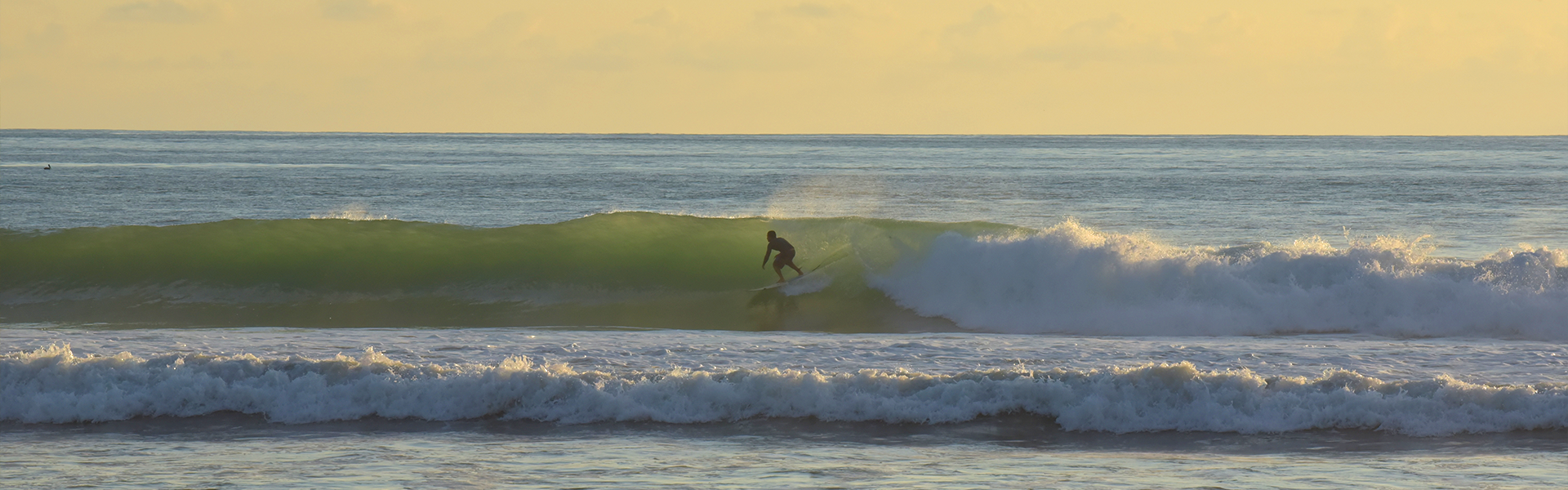
Surfing in Costa Rica has always been about more than waves. And nowhere is that more true than along the Southern Pacific, where the coastline from Dominical to Pavones feels less like a collection of surf spots and more like a whole way of life built around the ocean.
This is one of those rare stretches of coast that serious surfers talk about with real reverence. For decades, it has drawn people down not just because the waves are legendary, but because everything around them feels just as compelling: the rainforest pressing up against the sea, the long drives between small coastal communities, the waterfalls, the wildlife, the feeling that the day is still structured around swell, tide, light, and weather. If you’ve ever wanted to understand why surfing in Costa Rica holds such a powerful place in the global imagination, this part of the country tells that story especially well.
But this coast also matters beyond surfing itself. Over time, the route from Dominical to Pavones has helped shape tourism, relocation, and real estate demand across the Southern Pacific. Some people come here chasing a surf trip and end up coming back year after year. Others come for the waves and realize they’ve found something broader: community, pace of life, natural beauty, and a version of Costa Rica that still feels deeply authentic. That’s part of what makes this region so magnetic, and part of why we at Vesta Group are so proud to call it home.
Why the Southern Pacific Has Become Costa Rica’s Surf Capital
The Southern Pacific has become Costa Rica’s surf capital because it offers something that’s increasingly hard to find in one place: consistency, variety, beauty, and character.
You can surf year-round, but more importantly, there’s range. Along this coastline, you’ll find everything from heavy beach breaks and playful beginner-friendly bays to quieter reef and point setups, and of course, Pavones, one of the most famous left-hand point breaks in the world. Whether you’re a lifelong surfer planning a pilgrimage or someone who’s only recently started paying attention to tides and swell charts, there’s room for you here.
Of course, what sets the Southern Pacific apart is the setting. Our surf culture is woven into rainforest, river mouths, jungle ridgelines, protected coastline, and small beach communities that are still connected to the land around them. Yes, there are world-class waves, but there’s also yoga, wellness travel, wildlife, waterfalls, farmers' markets, long lunches after morning sessions, and all the other accouterments that make you start imagining a different version of everyday life.
And then there’s the community side of it. Surfing has helped bring an international energy to the Southern Zone, but it hasn’t erased the area’s authenticity and identity. Each town has its own rhythm, its own crowd, and its own relationship to the ocean. Together, they form one of Costa Rica’s most distinctive coastal corridors – a place where the waves are good enough to build a hobby around, and the lifestyle is strong enough to build a life around.
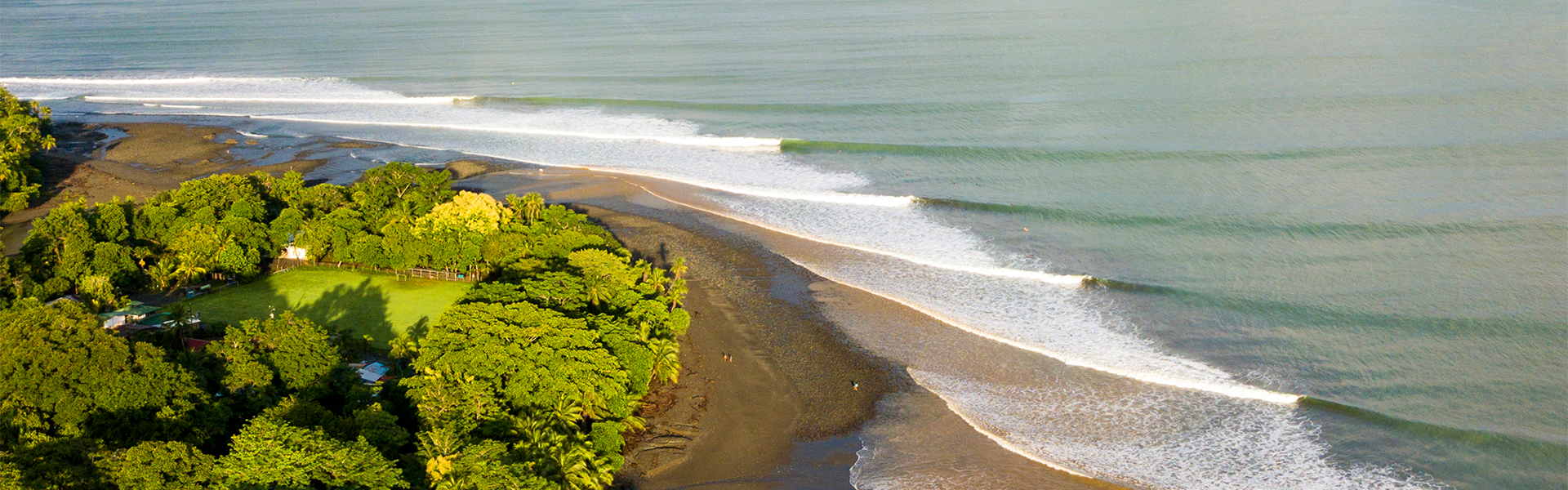
The Legendary Surf Breaks from Dominical to Pavones
One of the things that makes this stretch of coast so special is that it isn’t built around one single kind of surfer or one single kind of wave. The route from Dominical to Pavones includes some of the country’s most talked-about breaks, yes, but it also includes the bays, beach breaks, and more forgiving setups that let people grow into the region rather than simply admire it from shore.
That’s important to your experience and is part of what has made the Southern Pacific such a lasting surf destination in Costa Rica. You can come here as an experienced surfer chasing power, speed, and long rides, or you can come here just beginning to learn how swell, tide, and lineup dynamics shape a session. There’s room for the full spectrum.
Dominical
Dominical is the town most people think of first when they think about Southern Pacific surfing, and for good reason! This is one of Costa Rica’s best-known surf towns, built around a powerful beach break that has helped define the region’s reputation for decades.
-
Wave Profile: Dominical is known for its strong, fast, and often punchy beach break. It’s one of the area’s more serious waves and is typically best suited to surfers who are comfortable in more powerful conditions.
-
Who it Suits: Intermediate to advanced surfers will usually feel most at home here, especially when the swell is up.
-
What Makes it Special: This is not just a break; it’s a real surf town. The beach, the cafés, the restaurants, the surf culture, and the everyday rhythm of the community all revolve around the ocean.
If your ideal life includes being able to walk to a world-class wave, check the surf before breakfast, and live in a town that genuinely understands surf culture, Dominical is hard to beat.
Dominicalito
Just a few minutes south, Dominicalito offers a completely different feel. Protected by its bay, it’s calmer, more forgiving, and much more approachable for beginners, families, and surfers who are still building confidence.
-
Wave Profile: Softer, more manageable conditions than Dominical, especially when larger swells are hitting the coast.
-
Who it Suits: Beginners, newer intermediates, families, and anyone looking for a more relaxed surf environment.
-
What Makes it Special: Dominicalito has a quieter, more intimate atmosphere. It feels tucked in and local, with a softer pace and a strong family-friendly appeal.
For families relocating to Costa Rica, or for buyers who want to be near surf without needing the heaviest break on their doorstep, Dominicalito offers a very appealing middle ground.
Playa Hermosa (Southern Zone)
Playa Hermosa in the Southern Zone – note, there’s also a prominent Playa Hermosa in the Central Pacific (near Jacó) and the North Pacific (near Playas del Coco), so don’t get them confused! – tends to fly just a little more quietly under the radar, but that’s part of what makes it so appealing. It’s a local favorite, known for consistency, beauty, and a less crowded atmosphere than some of the better-known breaks farther north.
-
Wave Profile: Consistent surf with a reputation for being approachable but still rewarding, depending on conditions.
-
Who it Suits: A wide range of surfers, especially those who want strong surf access without the busier energy of a more central surf town.
-
What Makes it Special: Playa Hermosa carries that rare combination of beauty, access, and relative calm. It feels more residential, more spacious, and in some ways more quietly luxurious.
If you’re drawn to the idea of quieter living near excellent surf, with strong access to both Dominical and Uvita, Playa Hermosa starts to make a lot of sense.
Uvita
Uvita is one of those places that often surprises people. It may be better known at first glance for Marino Ballena National Park, whale watching, and a broader wellness-meets-nature lifestyle, but it has quietly become an important part of the Southern Pacific surf story too.
-
Wave Profile: Uvita tends to offer friendlier conditions than some of the heavier breaks farther north, with surf that can work especially well for beginners and intermediates, depending on the beach, tide, and swell.
-
Who it Suits: Newer surfers, improving surfers, families, and people who want access to surf without building their whole life around one advanced break.
-
What Makes it Special: Uvita brings together surfing, boating, marine life, wellness, and a more established town structure. It feels less like a single-purpose surf town and more like a place where surf is one strong part of a larger coastal lifestyle.
If you like the idea of balancing ocean time with yoga, nature, restaurants, services, and a broader everyday livability, Uvita offers a very compelling version of that mix.
Matapalo
Matapalo has a different energy entirely. It feels quieter, more tucked away, and more elemental. This is one of those places where the scenery itself becomes part of the surf experience. The coastline feels wilder, the setting more dramatic, and the pace less built around town life than around the beach, the road, the jungle, and the changing mood of the ocean.
-
Wave Profile: Matapalo is known for a mix of beach and point-style surf setups, with conditions that can be rewarding but that still depend heavily on tide, swell, and local knowledge.
-
Who it Suits: Surfers who are drawn to less crowded breaks, a more remote feel, and a stronger connection to the natural setting around the wave.
-
What Makes it Special: This is the kind of place that feels immersive. You’re not just going to surf and then returning to a busy tourist center. You’re in a landscape of forest, long beaches, wildlife, and relative quiet.
For buyers or relocators drawn to privacy, beauty, and a stronger sense of retreat, Matapalo represents a very different kind of surf lifestyle – one that feels less social and more intimate, less programmed and more deeply connected to nature.
Pavones
Pavones is the name that tends to travel far beyond Costa Rica. Even people who know very little about the country’s surf geography have often heard of Pavones, and usually for one reason: the wave. This is one of the most famous left-hand point breaks in the world, and for serious surfers, it has long held the status of a destination that you don’t just casually skip over. You go because it’s Pavones.
-
Wave Profile: A legendary left-hand point break that, under the right conditions, can run for an extraordinarily long distance and produce the kind of ride that surfers talk about for years.
-
Who it Suits: More advanced surfers and committed surf travelers, though there are softer sections and shoulder areas that can make parts of the lineup more approachable depending on conditions.
-
What Makes it Special: Pavones has a global surf reputation, but it still feels remote. That combination is rare. It’s a place where the wave is the headline, but the tropical setting, slower pace, and sense of remove are a huge part of the experience.
Living in Pavones means choosing a more remote tropical rhythm, one where the wave isn’t a novelty or a weekend event. It’s part of the structure of everyday life. For the right person, that isn’t just appealing – it’s the whole point.
More Than Surfing: A Lifestyle Connected to Nature
Part of what makes this stretch of coast so compelling is that even for people who come here because of the waves, life is rarely only about surfing. The ocean may be your entry point, but it quickly becomes part of a much broader relationship with the landscape, where your morning might begin in the water and end at a waterfall, a farmers market, a yoga class, or dinner overlooking the Pacific.
Wildlife is part of daily life here. Jungle trails lead to river valleys and swimming holes. Sportfishing, whale watching, and boating are woven into the rhythm of the coast. Wellness retreats, yoga studios, and slower, more intentional routines have also found a natural home here. Even our food culture reflects that same connection to place, whether that means oceanfront dining, small local cafés, or weekly markets shaped by what’s growing nearby.
And for many people, that’s where the Southern Pacific starts to shift from being a great place to visit into a place they can imagine living. The appeal isn’t only that you can surf here; it’s that surfing exists within a larger quality of life that’s healthy, grounded, and increasingly rare.
This is one of the reasons the coast draws not only dedicated surfers, but also couples, families, remote workers, and long-term relocators who may or may not organize their whole life around a board, but who absolutely want to live closer to the kind of life this region makes possible.
Why Surfers Are Becoming Homeowners
This is a pattern we’ve seen for years: people come to Costa Rica’s Southern Pacific for a trip, a swell, a season, or a break from the life they’ve been living somewhere else, and before long, they begin to wonder what it would look like to stay connected to this place in a more permanent way.
Sometimes that means buying a second home. Sometimes it means investing in a vacation rental that they can use part of the year. Sometimes it means relocating full-time. And sometimes, especially for people who’ve been returning for years, it simply feels like the natural next step.
Surfing is often the gateway, but it’s rarely the whole story. For some buyers, the draw is remote work and the ability to build daily life around the ocean instead of squeezing it in around everything else. For others, it’s retirement, family relocation, or the chance to create a home base in a place that’s healthier, more spacious, and more aligned with how they actually want to live. And for others still, it’s an investment decision: a well-located home in a strong lifestyle market that can function as a vacation rental now and something more personal later.
Real Estate Along Costa Rica's Southern Pacific Coast
One of the reasons this region continues to attract such a wide range of buyers is that the real estate is just as varied as the coastline itself. There is no single “Southern Pacific property type,” just as there is no single Southern Pacific lifestyle.
What you’ll find instead is a spectrum of opportunities that ranges from simple surf cottages and jungle hideaways to ocean-view villas, architecturally significant luxury homes, boutique hotels, development land, and income-producing investment properties. This variety is part of what makes the search so exciting. Depending on where you look and what matters most to you, you’ll find:
-
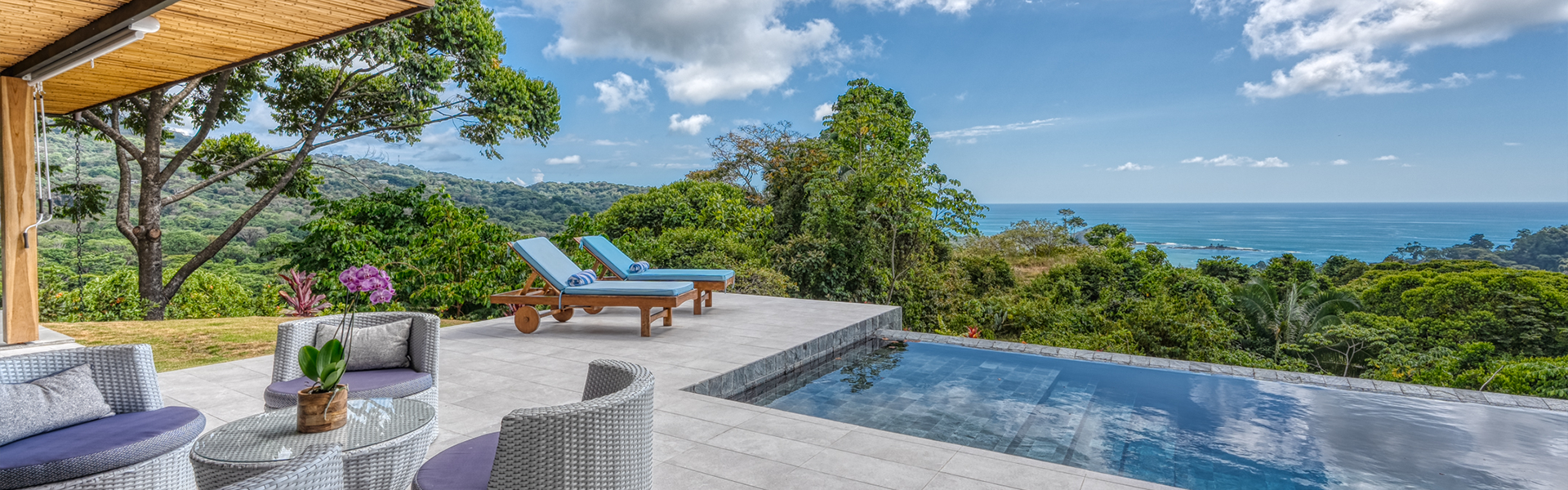
Ocean-view villas: Set in the hills above the coast, these properties appeal to buyers who want panoramic Pacific views, privacy, and strong vacation-rental or second-home potential.
-
Jungle estates: Tucked into the rainforest, these homes tend to offer a deeper sense of immersion in nature, with more land, more privacy, and a stronger connection to the landscape.
-
Surf cottages and beach-close homes: Typically smaller and more casual, these properties appeal to buyers who want a simpler lifestyle and easier access to the water.
-
Luxury homes: Found throughout the region, but especially in places like Escaleras and select areas above Dominical and Uvita, these properties often combine dramatic architecture, premium finishes, and exceptional settings.
-
Boutique hotels and hospitality properties: For buyers looking at lifestyle-driven business opportunities, the Southern Pacific also offers hospitality assets that align naturally with the region’s tourism appeal.
-
Development land: Larger parcels and strategically located lots continue to attract buyers who see long-term upside in a region where natural beauty and lower-density development remain part of the value story.
-
Investment properties: These can range from vacation-rental homes to multi-unit income properties, depending on the community, location, and buyer’s strategy.
And just like the surf, the real estate shifts as you move down the coast. In and around Dominical, you’ll find a mix of walkable beach-town living, hillside ocean-view homes, and properties that appeal to both full-time residents and vacation-rental buyers. Uvita tends to offer a broader town structure and a wider range of inventory, from practical family homes to high-end estates. Ojochal often attracts buyers looking for a more tucked-away, refined feel. Escaleras occupies a more elevated luxury niche, with dramatic architecture and sweeping views. Farther south, places like Pavones and Golfito appeal to buyers who want something more remote, more land-connected, and more immersed in the rhythm of the landscape.
Each community offers a genuinely different way of living. The right fit isn’t only about finding the right house, but about finding the right section of coast for the life you want to build here.
Why Vesta Group Calls the Southern Pacific Home
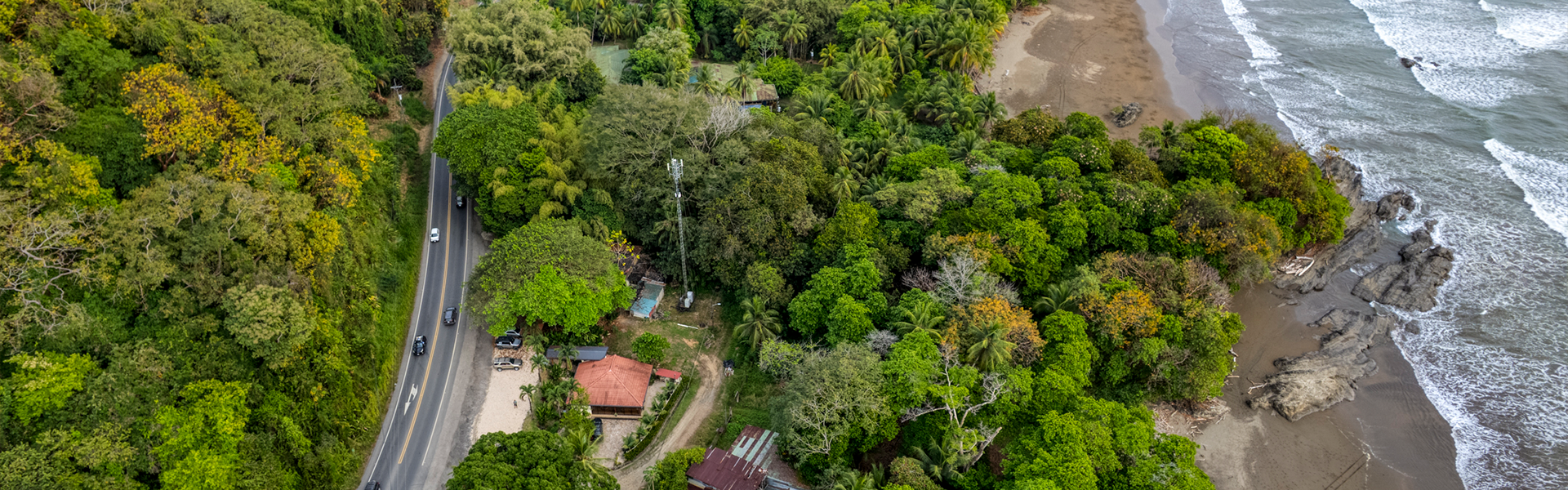
At Vesta Group, the Southern Pacific is more than a market we know well. It’s home. This coast, and especially the greater Dominical area, has been at the heart of our story for more than 20 years, and that depth of local knowledge shapes the way we guide buyers here.
Because buying real estate along the Southern Pacific is never just about the property itself. It’s about understanding the rhythm of the coast, the character of each town, and the lifestyle that exists around the home. Our role is to help you see not only what is for sale, but what it actually means to live here, and which part of this coastline feels most like your version of home.
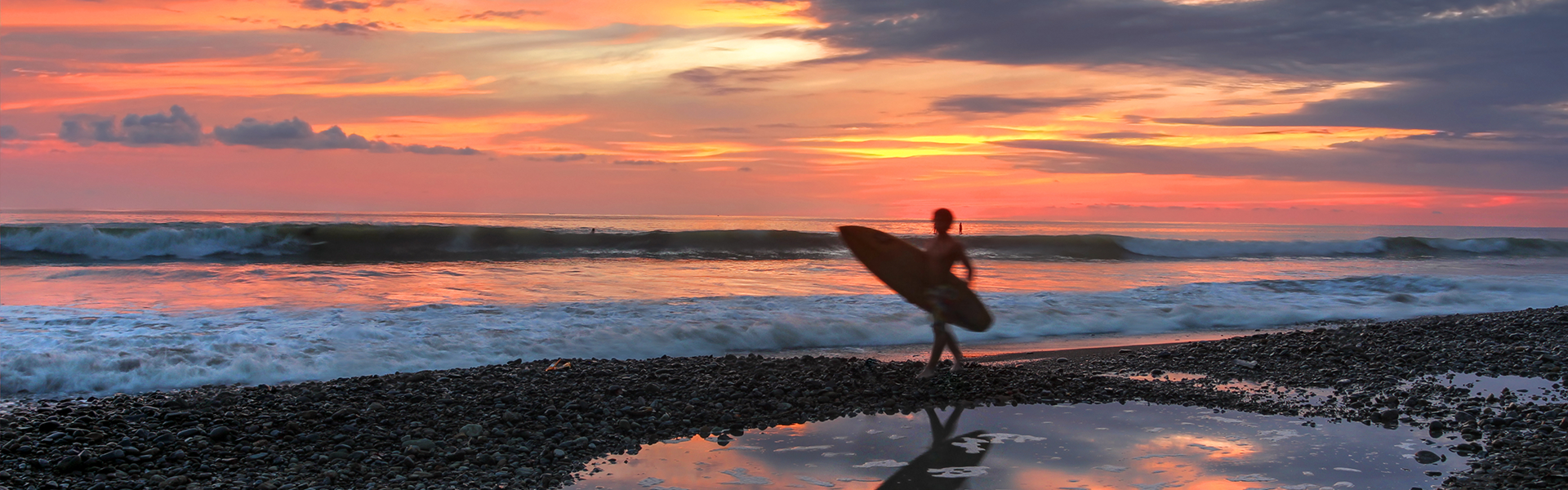
Where Surf, Lifestyle, and Place Come Together
Whether you come to the Southern Pacific for the surf, the rainforest, or the slower pace of life, this stretch of coast has a way of staying with you. From Dominical to Pavones, it offers something increasingly rare: world-class waves, deeply rooted natural beauty, and communities that still feel connected to the land and the sea.
If you’re exploring Southern Zone Costa Rica real estate, Vesta Group can help you understand not just the properties along this coast, but the lifestyle that comes with them. Explore the region, learn more about Dominical, Uvita, Ojochal, and Pavones, or reach out to schedule a lifestyle consultation with our team.
FAQs: Surfing in Costa Rica’s Southern Pacific
Why is the Southern Pacific considered one of the best places for surfing in Costa Rica?
The Southern Pacific is considered one of the best regions for surfing in Costa Rica because it combines year-round surf, a wide variety of breaks, dramatic rainforest scenery, and a more authentic, lower-density feel than many other coastal regions. For many surfers, it offers the best of both worlds: world-class waves and a lifestyle that still feels deeply connected to nature.
Is Dominical good for surfing in Costa Rica?
Yes. Dominical surfing is among the most recognized in the country and the world, especially for surfers looking for a powerful beach break and a true surf-town atmosphere. The wave itself is generally best suited to intermediate and advanced surfers, but the broader Dominical area also includes more approachable options nearby, which is part of what makes it such a strong base for surfers of different levels.
Is Pavones one of the most famous surf spots in Costa Rica?
Absolutely. Pavones surf is globally known because of the Pavones left-hand point break, widely considered one of the longest left-hand point breaks in the world. For serious surfers, it’s one of Costa Rica’s legendary destinations and a place that has helped define the country’s reputation within the international surf community.
Which Costa Rica surf towns are best for beginners, intermediates, and advanced surfers?
That depends on the kind of experience you want. Dominical is best known for a more powerful beach break and tends to suit intermediate to advanced surfers. Dominicalito and parts of Uvita can be more beginner- and family-friendly. Playa Hermosa in the Southern Zone offers consistency with a quieter feel, while Matapalo surf in Costa Rica appeals to surfers who want less crowded conditions and a stronger connection to nature. Pavones is the iconic bucket-list break for more committed surf travelers.
Why do so many surfers end up relocating to Costa Rica’s Southern Zone?
For many people, surfing is the entry point, but not the whole reason they stay. The Southern Pacific offers a broader Costa Rica surf lifestyle built around nature, community, wellness, and a slower daily rhythm. That’s why Southern Zone relocation has become so appealing not only to dedicated surfers but also to remote workers, families, retirees, and buyers looking for a healthier, more grounded way of living.
Is the Southern Pacific a good place to invest in surf-oriented real estate?
In many cases, yes. Buyers looking at surf investment in Costa Rica are often drawn to the Southern Pacific because it combines lifestyle appeal with long-term desirability. Depending on the community, opportunities can include surf-close homes, ocean-view villas, boutique hospitality properties, and land with future development potential. Markets such as Dominical, Uvita, and even Pavones real estate continue to attract interest from buyers who see value in both lifestyle and long-term positioning.
What makes the Southern Pacific different from other Costa Rica surfing destinations?
What sets this region apart is not just the waves, but the overall experience of living or spending time here. The Southern Pacific feels greener, less crowded, and more connected to the natural world than many better-known coastal markets. It’s one of the places where surfing in Costa Rica still feels embedded in a larger way of life, with wildlife, waterfalls, wellness culture, and strong local identity all shaping the experience.
Is the Southern Pacific only for serious surfers?
Not at all. While this coastline absolutely includes legendary waves, it also offers beginner-friendly and intermediate-friendly options, along with communities where surfing is only one part of the appeal. Many people who are drawn to the region are just as interested in the beaches, rainforest, yoga, food culture, and slower pace of life as they are in the surf itself.
How does surfing connect to the broader lifestyle in Costa Rica’s Southern Pacific?
Along this stretch of coast, surfing is less an isolated activity and more a part of the daily rhythm. It sits alongside hiking, waterfalls, oceanfront dining, sportfishing, wildlife, farmers' markets, and wellness culture in a way that feels natural rather than curated. For many residents, that blend is exactly what makes the Southern Pacific so compelling, especially for those drawn to a more intentional Costa Rica lifestyle and even the broader Blue Zone Costa Rica lifestyle mindset of health, connection, and longevity.