

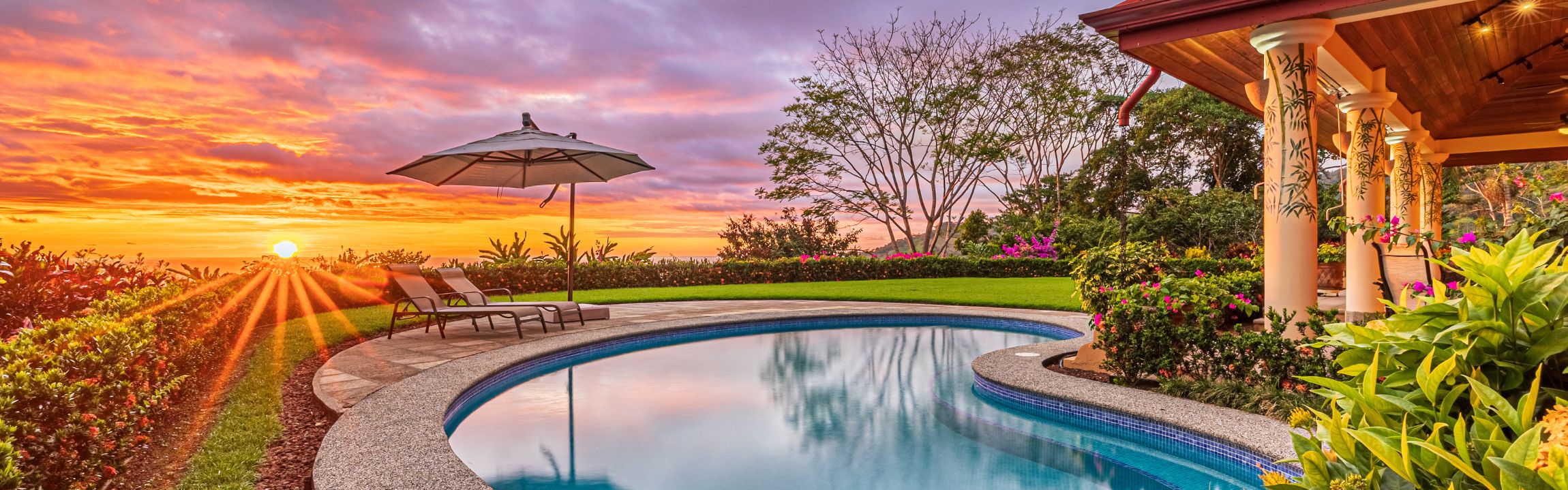
Buying property in Costa Rica's green season is one of the best ways to get to know the Southern Zone. The landscape is at its greenest, the pace is quieter, and you can see how a home or piece of land works in every kind of weather, which helps you buy with confidence.
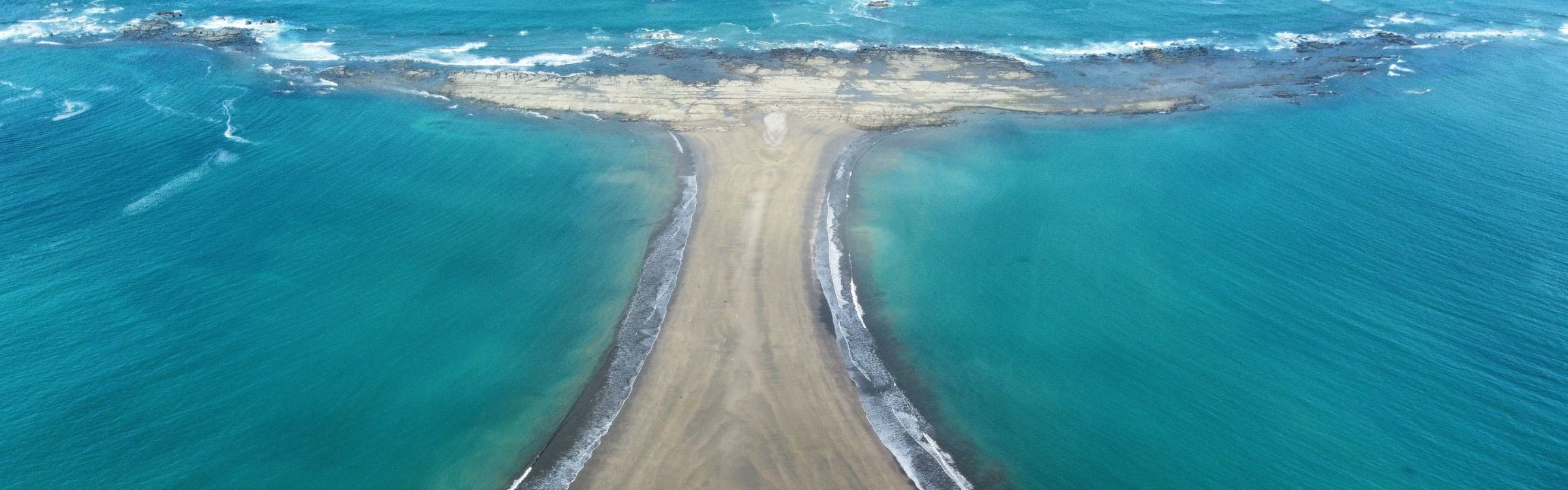
Between May and November, the coast from Dominical to Ojochal turns a deep, saturated green. Waterfalls run full, the beaches are quieter, and whales and dolphins pass through Marino Ballena National Park. For many people who end up living here, this is the season that wins them over.
It is also a practical time to look at property. We've learned that buyers who visit during the green season leave with a clearer, more complete picture of the homes and land they are considering, and more confidence in the decision that follows.
Dry season shows you the view. Green season shows you how the property works year-round.
This guide covers the main things to consider when buying a home or land in the Southern Zone, and why the rainy months are a good time to see them.
Why Is the Green Season a Good Time to Visit Southern Zone Property?
Costa Rica's official tourism calendar places the green season from May through mid-December. On the Pacific side, September and October are normally the wettest months, and November begins the transition toward the dry season. Rain tends to fall in the afternoon and early evening, although that is a general pattern rather than a daily rule.
The Southern Pacific is also one of the country's most varied climates. Costa Rica's National Meteorological Institute (IMN) describes subregions receiving roughly 3,050 to 4,820 mm of rain a year, shaped by the Talamanca mountains, coastal valleys and the ocean. That variety is what keeps Costa Ballena so lush, and it means two properties a few kilometers apart can feel quite different.
That's part of why seeing a property during the rainy months is so useful. Roads, gardens, drainage and the house itself are all doing their everyday job, and a well-cared-for property shows itself at its best: green, functional and comfortable in its setting.
Visiting in the green season isn't really about the weather. It's about seeing the whole year in a single trip.
What Should You Consider When Buying Land in the Southern Zone?
Land is where the Southern Zone offers the most choice, from ocean-view ridges to valley parcels close to town. A few practical points shape how much you will enjoy it.
Access
Many of the region's most beautiful properties sit along gravel roads, and many of those roads work well all year. During your visit, notice how the road feels after a rain, how it is maintained and who takes care of it. Your attorney will separately confirm that access is legally recorded.
Water
Ask who provides the water: the national utility (AyA), a local community water association known as an ASADA, or an approved private system. Then request the property's current water availability letter. A visit shows you the system working; the letter and the provider's track record tell you how it performs through the year.
Slope and drainage
Hillside lots are what give Costa Ballena its views. On a green season visit, notice how rainwater moves across the land and where it drains. A well-planned lot handles it naturally. For any building site on a slope, a topographer or engineer will help you choose the best place and approach to build.
Rivers, creeks and natural features
Creeks and springs add beauty and biodiversity, and Costa Rica's Forest Law 7575 (1996) protects the areas along their banks. Knowing where those areas fall early helps you plan your home, garden and access around them.
For a deeper look at the process, see our guide to Buying Land in Costa Rica's Southern Region.
Thoughtful buyers here tend to see these features less as hurdles and more as part of building in harmony with the place.
What Should You Look for When Buying a Home in the Southern Zone?
With an existing home, a green season visit lets you see the house in its natural rhythm. Notice how the roof, gutters and terraces handle a passing rain, whether the rooms feel fresh and well ventilated, and how the garden and paths drain. Ask about maintenance routines, recent improvements and who services the roof, pool and water system.
These observations are a starting point. An independent home inspection, coordinated with your attorney's due diligence, confirms the details. Our guide to Buying Property in Costa Rica as a Foreigner walks through that full process, from inspections to escrow.
In a tropical climate, the best homes are the ones designed and cared for with the weather in mind, and the green season is when that care is easiest to see.
Is September or November Better for a Property Visit?
Both work, for different reasons. September offers the full green season experience and shows a property under typical rainy conditions. November is a transition month, often with lighter rain and easier travel, while the landscape is still lush. Neither month guarantees particular weather, so check the IMN forecast before you go and keep your schedule flexible.
If you can return in the dry season, a second visit completes the picture.
What Should Be on Your Green Season Property Checklist?
| Area | What to notice on your visit | Who confirms it |
|---|---|---|
| Access road | How it feels after rain, signs of regular upkeep | Your attorney, plus the municipality or road association |
| Water | Pressure, storage tank, who the provider is | Your attorney and the water provider |
| Land and drainage | Where rainwater flows and drains | A topographer or engineer |
| Creeks and springs | Where they sit relative to your building site | A topographer and your attorney |
| The home | Roof, gutters, terraces, ventilation | An independent home inspector |
| Total budget | Any upkeep or improvements you notice | Your Vesta agent and attorney |
General guidance only. Confirm each item with a licensed Costa Rican attorney and the relevant professional before purchasing.
For the full cost picture, see our guide to Closing Costs in Costa Rica Real Estate.
How Can You Make the Most of a Green Season Visit?
A little preparation turns a beautiful trip into a well-informed one:
- Ask your agent in advance for the survey plan, water letter and any photos of the property from past rainy months.
- Plan property visits for the morning when you can, and check the IMN forecast the day before.
- Walk the access road and the land, not only the house.
- Take photos and notes so you can compare properties later.
- Share what you saw with your attorney and inspector.
The goal is simple: come home with the information you need to move forward with clarity.
Key Figures: The Southern Pacific Climate
- May through mid-December: Costa Rica's green season. Source: Visit Costa Rica (ICT), accessed October 2026
- September and October: normally the wettest months on the Pacific side, with November as a transition. Source: Visit Costa Rica (ICT) climate guide, based on the IMN framework, accessed October 2026
- 3,050 to 4,820 mm: approximate annual rainfall across Southern Pacific subregions. Source: IMN, Solano and Villalobos, Regiones y subregiones climáticas de Costa Rica, accessed October 2026
- 1996: year Forest Law 7575 established protected areas along rivers, creeks and springs. Source: Forest Law 7575, Article 33
FAQ
Q1: Is the green season a good time to buy property in Costa Rica?
A: Yes. The green season lets you see the Southern Zone at its most lush, with fewer visitors, and shows how a home or piece of land works in typical rainy conditions. Many buyers find it gives them a more complete, year-round understanding of a property before they commit.
Q2: When is the rainy season in Dominical and Uvita?
A: On Costa Rica's Pacific side, the rainy season generally runs from May through October, with September and October usually the wettest months. November is a transition toward the dry season, which typically lasts from mid-December through April. Conditions vary by year and microclimate, so check forecasts before traveling.
Q3: What should I look at when viewing land in the Southern Zone?
A: Focus on access, water, slope and natural features. Notice how the road feels after rain, ask who supplies the water and request the availability letter, see how rainwater drains across the lot, and note any creeks or springs. Your attorney and a topographer or engineer confirm the details.
Q4: Are gravel roads common for properties in the Southern Zone?
A: Yes, and they are not a problem by themselves. Many of the region's most scenic properties are reached by gravel roads that work well year-round. What matters is that the road is well maintained, legally recorded and suitable for how you plan to use the property.
Q5: Can I build near a creek or river on my property in Costa Rica?
A: Costa Rica's Forest Law 7575 protects areas along rivers, creeks and around springs, so construction must respect those setbacks. The protected width depends on the type of water feature and the terrain. A topographer and your attorney can map these areas early so you can plan your home around them.
Q6: Does a green season visit replace a home inspection?
A: No. A visit gives you a valuable first impression of how a property works in the rain and helps you ask better questions. An independent home inspection, along with your attorney's due diligence and, for land, a topographer or engineer, confirms the details before you buy.
Key Takeaways
- Visit in the green season if your schedule allows. It shows the Southern Zone at its most beautiful and lets you see a home or piece of land doing its everyday job.
- For land, focus on four things: access, water, drainage and natural features.
- For a home, watch it in the rain: roof, gutters, terraces and ventilation.
- Choose your month by goal: September for typical rainy conditions, November for lighter rain and easier travel.
- Let professionals confirm the details: your attorney, inspector and topographer turn what you see into verified answers.
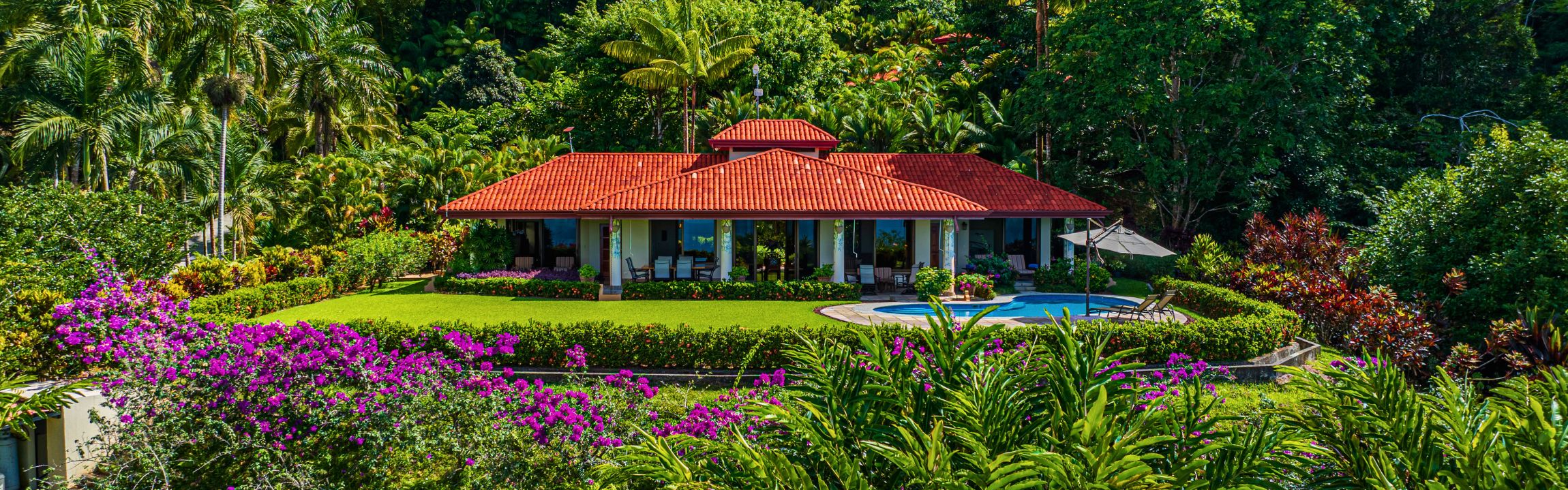
See a Green Season Estate Near Ojochal
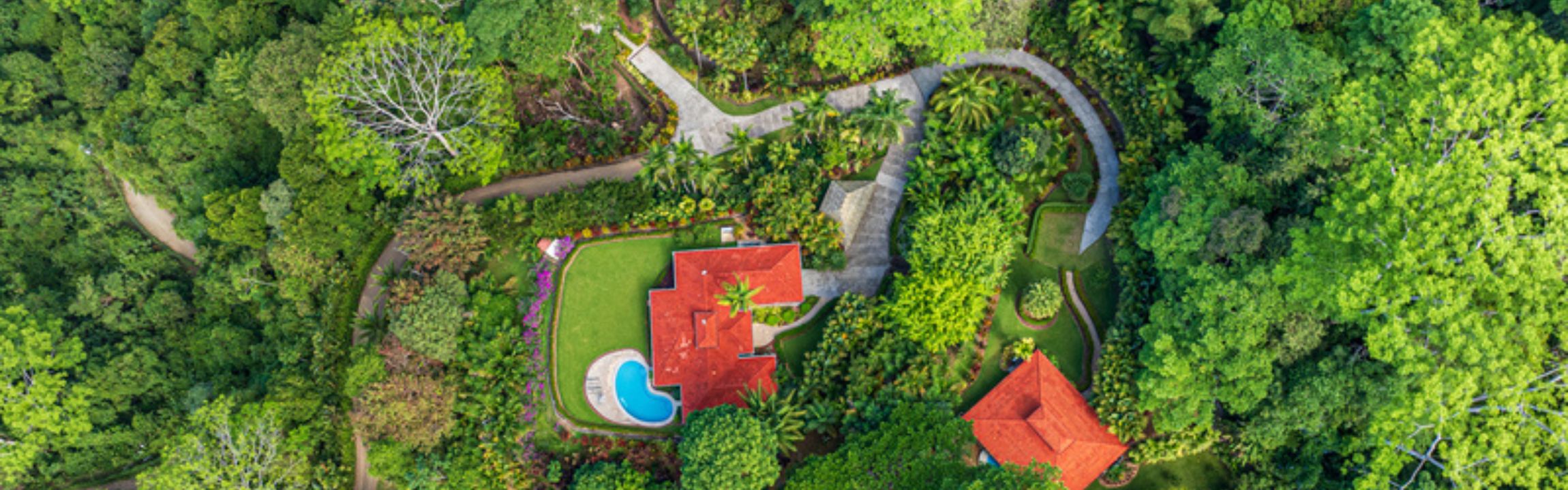
The questions in this guide are easier to answer when you are standing on the land. This private estate in Tres Ríos, about 10 minutes south of Ojochal, is a good place to see them in practice. It sits on 10.9 acres with ocean views and three separate homes, each with its own pool. A 50,000-liter private water reserve and concrete access roads run through the property, and more than 100 acres of protected rainforest surround it.
Our Dominical team has more than 25 years of local experience in Costa Rica real estate. We would be glad to walk the estate with you this green season and show you the roads, the water system and how the grounds handle the rain. Arrange a visit to the Tres Ríos estate or explore more properties in Dominical, Uvita and Ojochal.
The rain is part of why this coast looks the way it does. Getting to know a property through it is part of buying here well.
Coldwell Banker Vesta Group
Rooted in Costa Rica. Trusted Worldwide.
Climate information in this article comes from the public sources cited and reflects regional patterns, not conditions at any specific property. It is general information, not legal, engineering or financial advice. Please verify details with qualified professionals before purchasing.